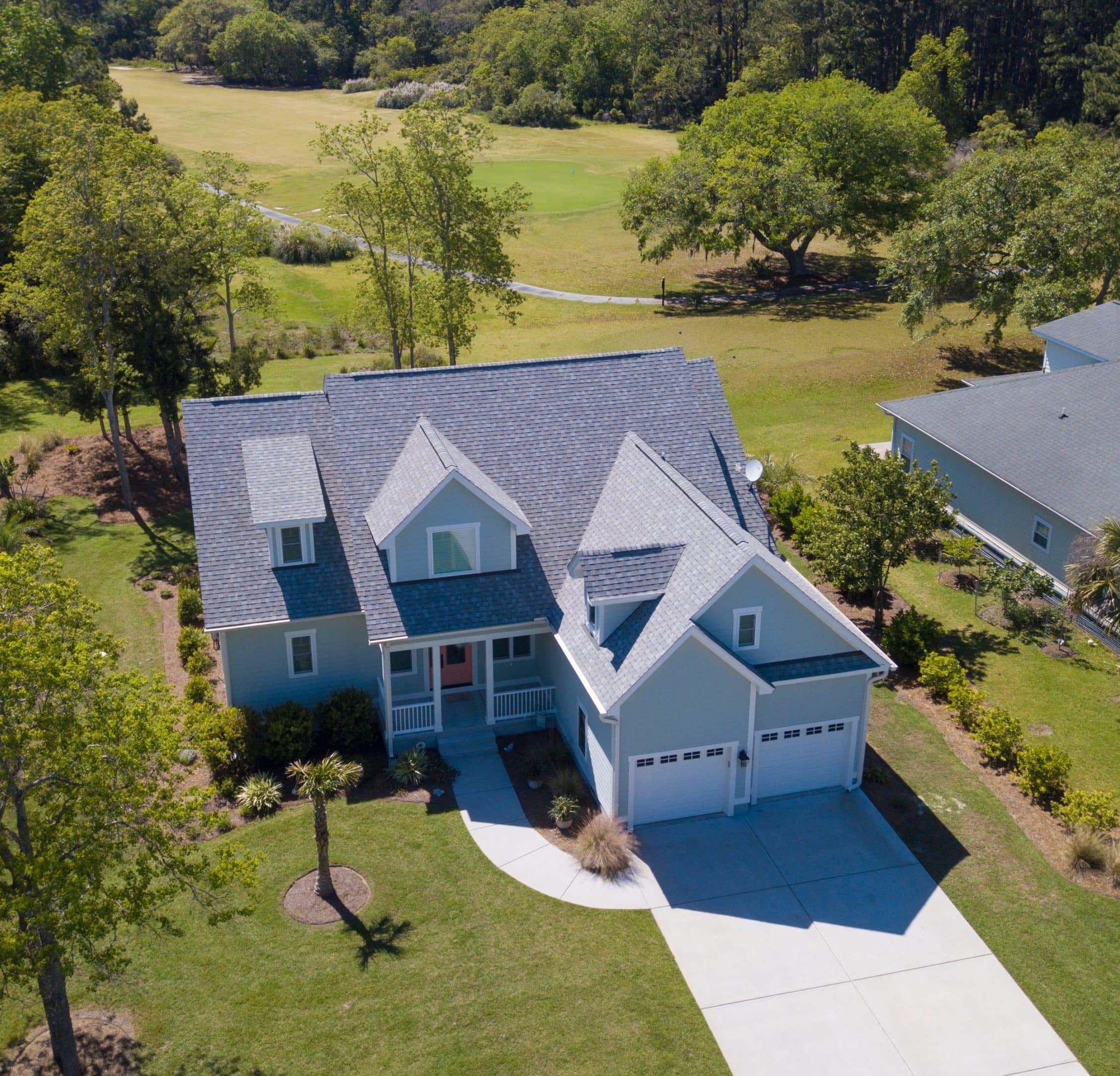

Real Estate Investment in Marysville, WA
Marysville sits 35 miles north of Seattle on the I-5 corridor, adjacent to Everett, inside the Seattle-Tacoma-Bellevue metro area. That location — regional job access without Seattle or Everett price tags — is the core of its investment case.
12 Years of Experience
100+ Homes Sold
60+ 5 star Reviews
Your Market Expert
Why Investors Are Looking at Marysville
Long-term appreciation track record.
Marysville real estate appreciated roughly 131% over the past ten years, an average annual rate near 8.7%, ranking it in the top tier nationally for long-term price growth.
A major employment catalyst is under construction.
The Cascade Industrial Center (CIC) — a 4,019-acre manufacturing and industrial zone shared with Arlington, with roughly 43% inside Marysville city limits — is projected to add up to 20,000 family-wage jobs over the next decade, up from about 12,890 in 2018. Tenants already committed or operating include Amazon, PepsiCo/Frito-Lay, Eviation Aircraft, Gravitics, Echandia, and Evans Manufacturing.
Transit investment is expanding the renter and buyer pool.
Community Transit's Swift Gold Line bus rapid transit is being built out to serve north Snohomish County, improving commute access to Everett, Boeing/Paine Field, and connections into the regional Link light rail system.
Comparatively low property taxes
Marysville's median effective property tax rate runs about 0.72–0.73% (ZIP codes 98270/98271), below both the Washington state median (0.92%) and the national median (1.02%).
Rents above the national average.
Multiple 2026 rental trackers put Marysville rents 12% or more above the U.S. median, with two-bedroom units commonly renting in the $1,977–$2,350 range.
2026 Market Snapshot
Median home sale price
- Figure: ~$620,000–$660,000
- Source period: Q1–Q2 2026
Median price per sq. ft.
- Figure: ~$308–$351
- Source period: 2026
10-year appreciation
- Figure: ~131% (≈8.7%/yr avg)
- Source period: Trailing 10 years
2026 forecast appreciation
- Figure: 2–4%
- Source period: 2026 projection
Average days on market
- Figure: 13–47 (varies by month/segment)
- Source period: 2026
Sale-to-list price ratio
- Figure: ~100–101%
- Source period: Early 2026
Homes selling above asking
- Figure: ~40%
- Source period: Feb 2026
Median gross rent (all types)
- Figure: ~$1,800–$2,350/mo
- Source period: 2025–2026
Renter-occupied share
- Figure: ~29–30% of housing stock
- Source period: ACS estimate
Median effective property tax rate
- Figure: ~0.72–0.73%
- Source period: 2026
Rental & Cash-Flow Fundamentals
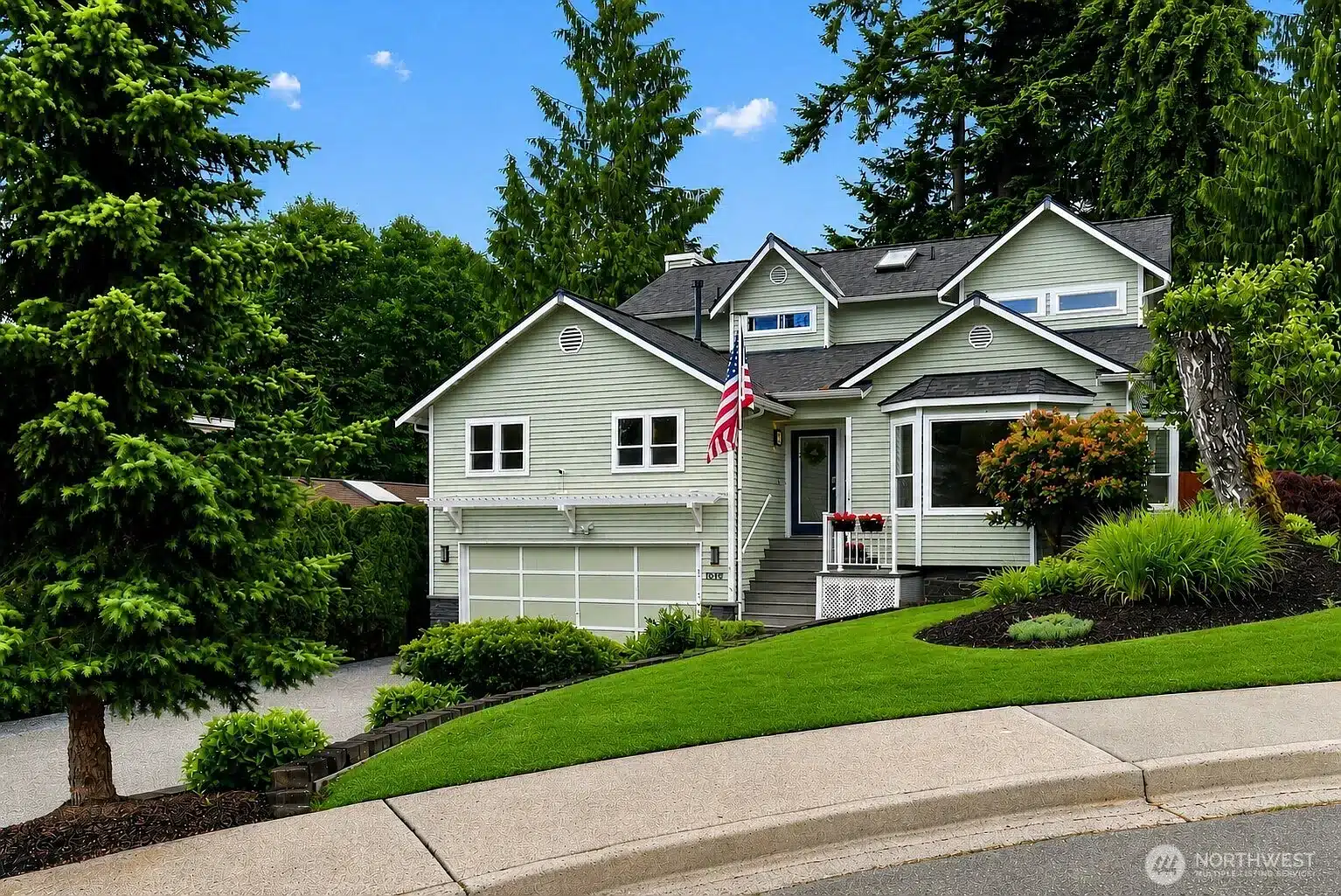
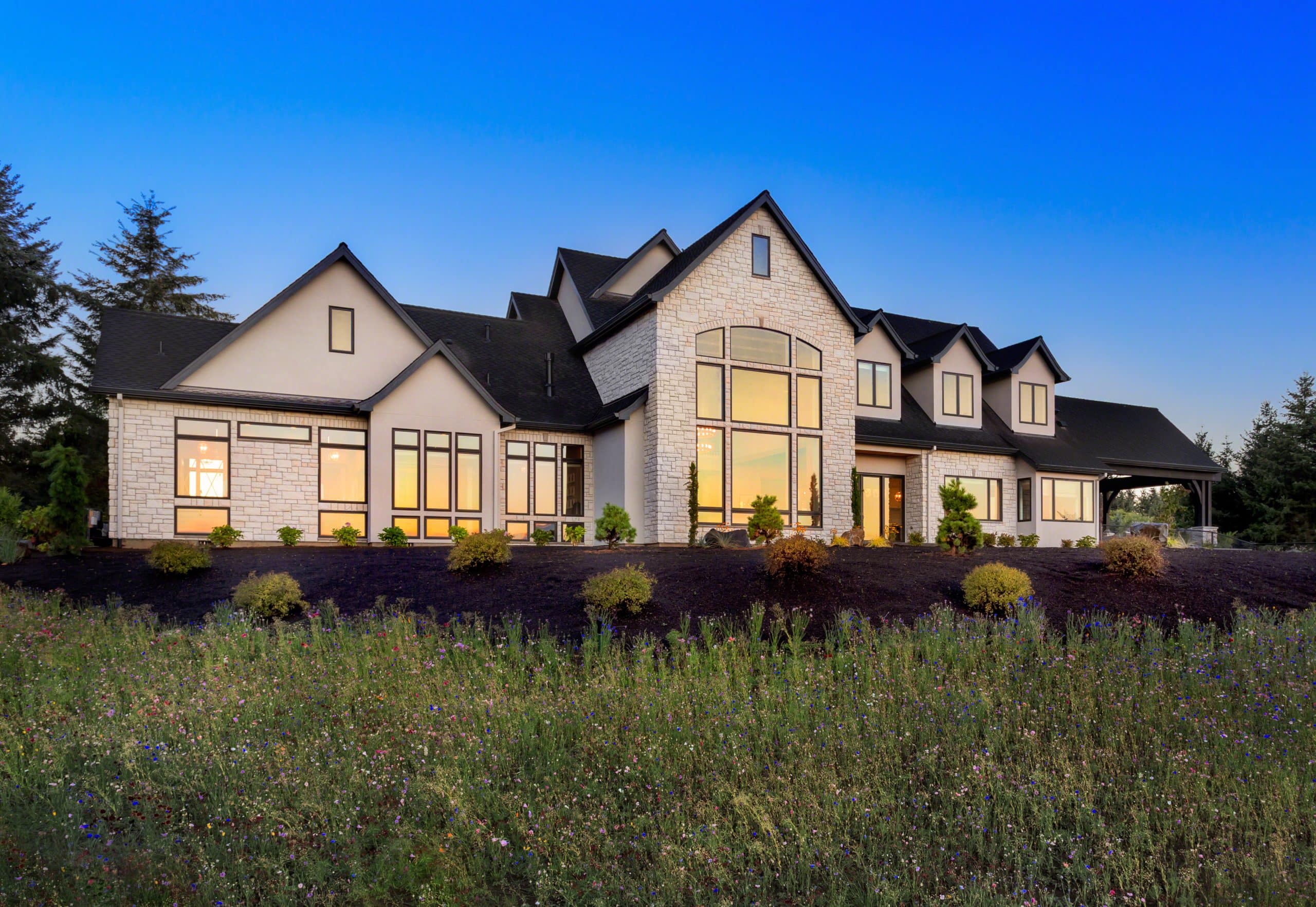
Marysville’s rental base is a mix of single-family homes, townhomes, and garden-style apartments, with roughly 30% of housing units renter-occupied and 70% owner-occupied — a healthier owner-to-renter balance than many nearby markets, which tends to support both price stability and steady rental demand. One-bedroom units typically rent in the $1,600–$1,990 range and two-bedroom units in the $1,977–$2,350 range, with larger single-family rentals reaching $3,300+ in established neighborhoods.
Where rental demand concentrates:
- Smokey Point / Cascade Industrial Center area — proximity to the manufacturing job base and the incoming Swift Gold Line makes this a target zone for workforce rental demand.
- Downtown Marysville — walkable (Walk Score 56), historic core, strong for smaller households and long-term tenants.
- Jennings Park & South Marysville — easy I-5 access appeals to commuters to Everett and Seattle.
Short-Term Rental (STR)
For investors considering furnished or short-term rentals, Marysville’s STR market showed real momentum through mid-2026: roughly 158 active listings, average annual revenue near $18,800 per listing, 60% occupancy, and an average daily rate around $226. Year-over-year, revenue was up nearly 36% and occupancy up more than 26%, though active listing count dipped slightly — suggesting rising demand against a leveling supply. Before pursuing an STR strategy, confirm current City of Marysville short-term rental permitting and any HOA restrictions, as local rules can change.
What Investors Need to Know About Washington's Rent Cap (HB 1217)
Since May 2025, Washington’s statewide rent stabilization law has limited annual rent increases on most existing tenancies to whichever is lower: 10%, or 7% plus the Consumer Price Index. For calendar year 2026, the Washington Department of Commerce set that cap at 9.683%. This applies statewide, including Marysville and the rest of Snohomish County — there is currently no additional city-level rent-control overlay in Marysville beyond the state law. Landlords must also provide the required advance written notice (60 days) before any rent increase. This doesn’t eliminate cash-flow upside, but it does mean underwriting a Marysville rental should assume disciplined, incremental rent growth rather than large annual jumps — appreciation, not aggressive rent escalation, is the primary driver of returns here.
Property Types Worth Comparing
- Single-family rentals in Jennings Park, Pinewood, and North Marysville for stable, long-hold tenants near SR-9 and I-5.
- New-construction townhomes in East Sunnyside/Whiskey Ridge, where low-maintenance product and warranty coverage reduce near-term capex risk.
- Small multifamily and duplex/triplex properties, which remain more available in Marysville than in tighter Seattle-adjacent markets, offering a lower entry point into multifamily cash flow.
- Manufacturing-adjacent industrial and commercial near the Cascade Industrial Center, where the City of Marysville offers a 10-year property tax exemption on new industrial construction for qualifying projects (minimum 25 new jobs at $18/hour or higher, 10,000+ sq. ft. improvements).
Marysville, WA is one of Snohomish County’s strongest mid-market investment areas, driven by 131% home-price appreciation over the last decade, a 20,000-job manufacturing buildout at the Cascade Industrial Center, and rents running 12% above the national average. Median home prices sit in the $620,000–$660,000 range in 2026, with rents between roughly $1,600 and $2,400 a month depending on unit size and neighborhood. The tradeoff investors need to plan around is Washington’s 2025 rent stabilization law (HB 1217), which caps annual rent increases at 9.683% for 2026.
Working With a Local Investment-Minded Agent
Numbers on a spreadsheet don’t tell you which block is about to benefit from the Swift Gold Line, which HOA caps rental percentages, or which zip code’s assessed values are about to be reappraised. Karrie Kelley Real Estate has spent 10+ years and 100+ closed transactions inside Snohomish County, with the on-the-ground perspective that comes from working Marysville street by street — not just running comps from a dashboard.
Frequently Asked Questions
Is Marysville, WA a good place to invest in real estate in 2026?
Marysville offers a combination that’s increasingly rare in the Puget Sound region: sub-$700,000 median home prices, double-digit historical appreciation, and a major employment catalyst (the Cascade Industrial Center) actively under construction. Short-term price growth has moderated to a more normal 2–4% forecast for 2026, but the long-term fundamentals remain strong.
What is the average return on rental property in Marysville, WA?
Returns vary widely by property type and purchase price, but with median rents around $1,800–$2,350 against median home prices near $620,000–$660,000, gross rental yields on typical single-family homes generally fall in a moderate single-digit range, with cash flow improving on lower-basis properties, townhomes, or small multifamily.
Does Washington's rent control law apply to Marysville?
Yes. HB 1217, Washington’s statewide rent stabilization law, applies to Marysville and all of Snohomish County. For 2026, annual rent increases on existing tenancies are capped at 9.683%.
Are property taxes high in Marysville, WA?
No. Marysville’s median effective property tax rate is approximately 0.72–0.73%, below both the Washington state median (0.92%) and the national median (1.02%).
What is driving job and population growth near Marysville?
The Cascade Industrial Center, a 4,019-acre manufacturing hub shared with Arlington, is projected to bring up to 20,000 family-wage jobs to the area over the next decade. The incoming Swift Gold Line transit route is also expected to expand commute access and support continued residential demand.
Is Marysville good for short-term rental (Airbnb) investment?
STR performance has trended positive, with average annual revenue near $18,800 per listing and occupancy around 60% as of mid-2026, both up meaningfully year-over-year. Confirm current City of Marysville STR permitting rules and any HOA restrictions before purchasing with this strategy in mind.